Contacts
You can also contact us directly at eod@beamshape.com.
The industry-standard simulation suite for advanced electron beam systems.
Now officially distributed and expertly supported globally by BeamShape.
The industry-standard simulation suite for advanced electron beam systems.
Now officially distributed and expertly supported globally by BeamShape.

At BeamShape, we design some of the most advanced electron sources, magnetic lenses, and Electron Beam Melting (EBM) systems in the industry. EOD is the core physics engine behind all our R&D.
We partnered with Prof. Bohumila Lencová and Dr. Jakub Zlámal - the authors of EOD to become the exclusive global distributor because we know exactly what it takes to translate a simulation into a working, high-precision physical product. When you buy EOD through BeamShape, you are backed by a team of active, daily users and hardware experts.
EOD (Electron Optical Design) is an industry-standard, high-precision simulation suite built specifically to design, optimize, and verify charged particle columns from the emitter to the sample.
Whether you are developing a low-voltage SEM, a high-power X-ray source, or a complex multi-stage lithography system, EOD provides the complete physical workflow:

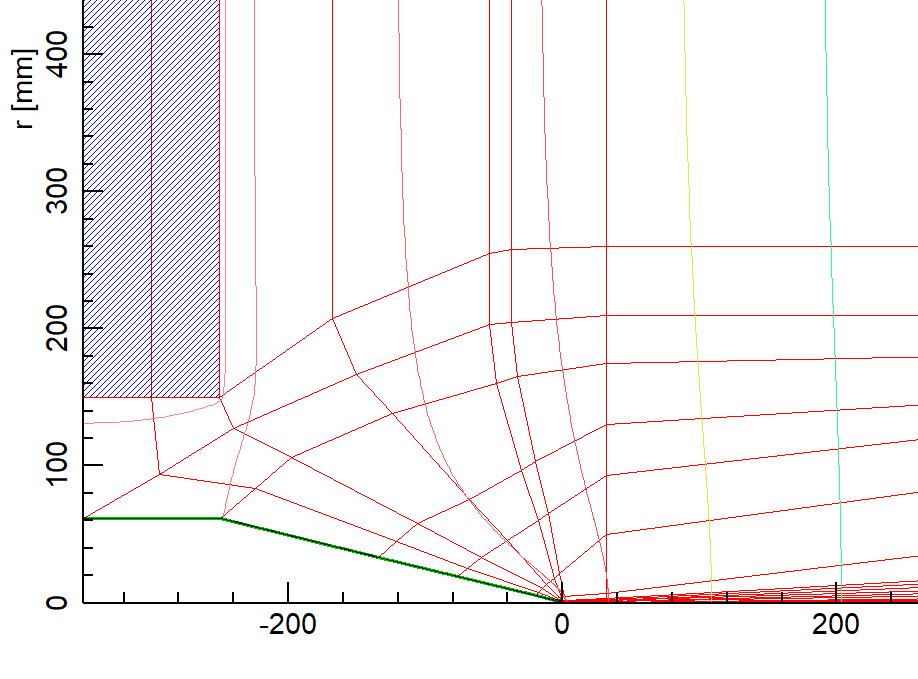
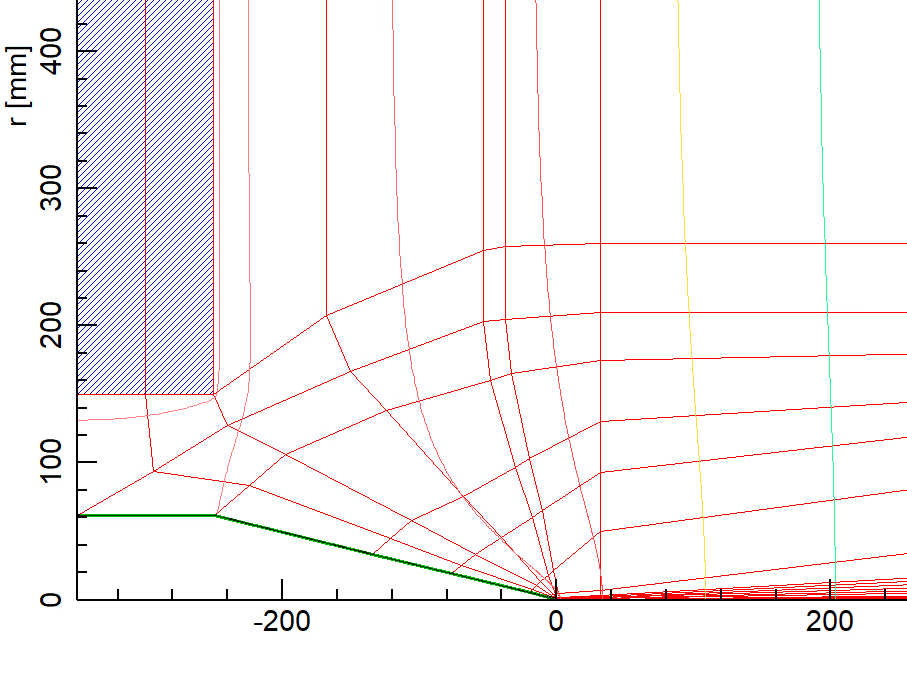
First-Order FEM with Unlimited Mesh: Achieve extreme accuracy by utilizing unlimited mesh density in critical regions (such as emitter tips and lens gaps) to perfectly map electric and magnetic field gradients.
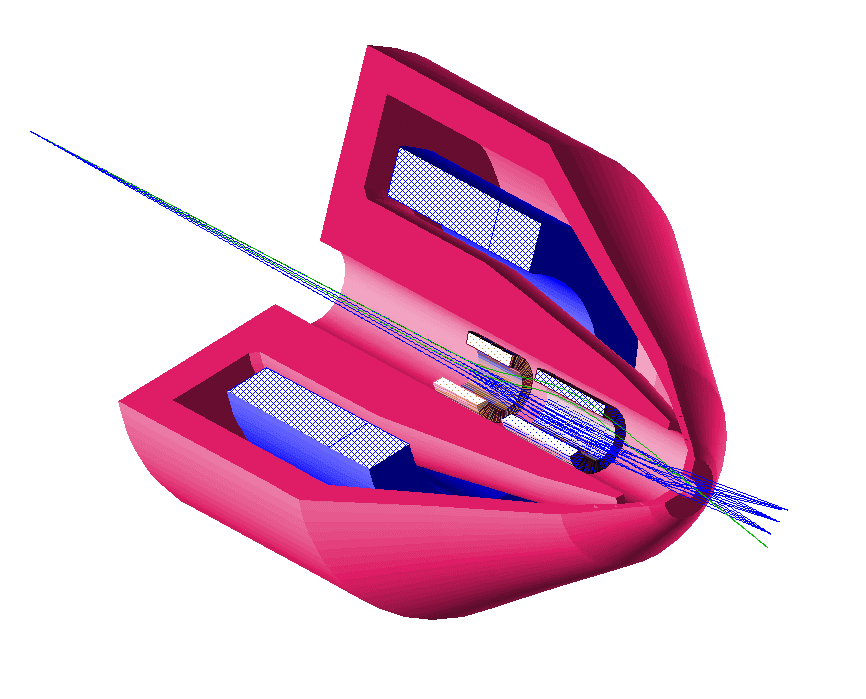
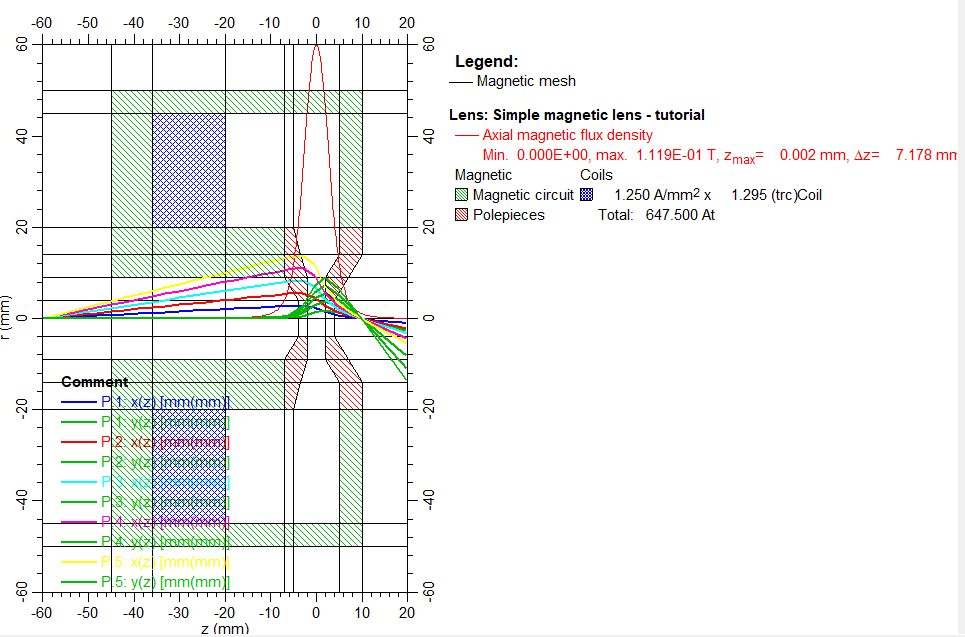
Component Design: Build and optimize electrostatic lenses, magnetic objective lenses (including magnetic saturation), and multi-pole deflection systems.
Exact Optical Properties: Automatically extract critical column parameters including aberrations
First-Order FEM with Unlimited Mesh: Achieve extreme accuracy by utilizing unlimited mesh density in critical regions (such as emitter tips and lens gaps) to perfectly map electric and magnetic field gradients.
Component Design: Build and optimize electrostatic lenses, magnetic objective lenses (including magnetic saturation), and multi-pole deflection systems.
Exact Optical Properties: Automatically extract critical column parameters including aberrations
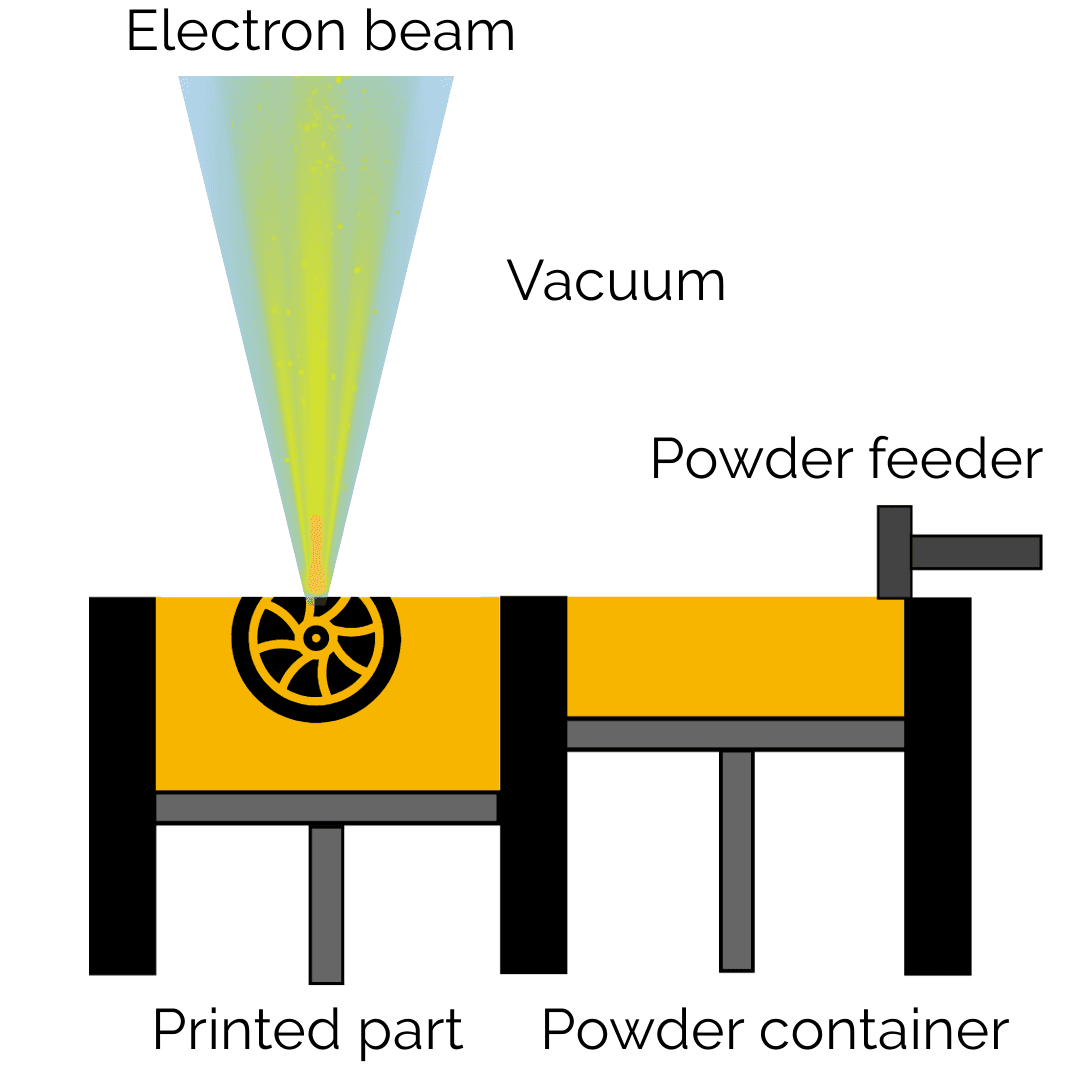
High-Current Beam Physics: Essential for EBM, high-current EDS, and X-ray generation. EOD uses an iterative Poisson solver to accurately model beam spread caused by electron-electron repulsion (space charge).
Source Simulation: Set up and optimize complex Schottky field-emission and Thermionic emitters, taking into account the space-charge limited current and virtual source emittance.
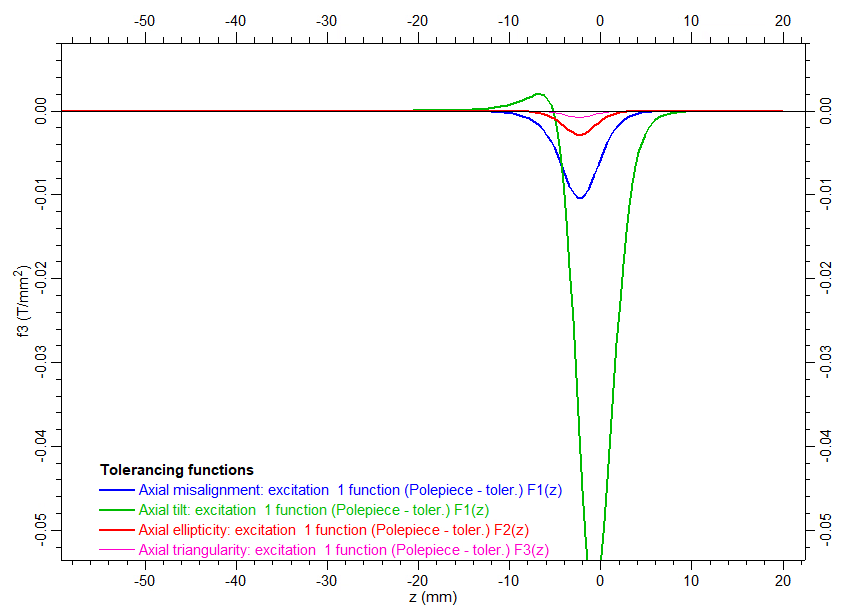
Mechanical Sensitivity Analysis: Stop wasting budget on failed prototypes. The Tolerancing plugin allows you to simulate the effects of real-world machining errors.
Error Modeling: Calculate the beam degradation caused by mechanical Displacement, Tilt, Ellipticity, and Triangularity in both electrostatic and magnetic lenses.
Yield Prediction: Define your mechanical manufacturing limits and alignment system requirements before cutting any metal.
External Integration: For highly complex or non-symmetric geometries (like advanced in-lens detectors), EOD allows you to directly import 3D fields from external solvers such as COMSOL, Simion, or Field Precision, integrating them seamlessly into your high-accuracy column simulation.
High-Current Beam Physics: Essential for EBM, high-current EDS, and X-ray generation. EOD uses an iterative Poisson solver to accurately model beam spread caused by electron-electron repulsion (space charge).
Source Simulation: Set up and optimize complex Schottky field-emission and Thermionic emitters, taking into account the space-charge limited current and virtual source emittance.


Mechanical Sensitivity Analysis: Stop wasting budget on failed prototypes. The Tolerancing plugin allows you to simulate the effects of real-world machining errors.
Error Modeling: Calculate the beam degradation caused by mechanical Displacement, Tilt, Ellipticity, and Triangularity in both electrostatic and magnetic lenses.
Yield Prediction: Define your mechanical manufacturing limits and alignment system requirements before cutting any metal.
External Integration: For highly complex or non-symmetric geometries (like advanced in-lens detectors), EOD allows you to directly import 3D fields from external solvers such as COMSOL, Simion, or Field Precision, integrating them seamlessly into your high-accuracy column simulation.
Probe Inspection: Use advanced ray tracing to analyze spot sizes, contour spots, and beam distortion across the image plane.
Diffraction Physics: Perform complete Monochromatic and Polychromatic diffraction analysis. Evaluate the Point Spread Function (PSF) and Edge response.
Total Resolution: Easily export coefficients to calculate total theoretical system resolution using standard Reimer / Barth-Kruit probe diameter calculation.


First-Order FEM with Unlimited Mesh: Achieve extreme accuracy by utilizing unlimited mesh density in critical regions (such as emitter tips and lens gaps) to perfectly map electric and magnetic field gradients.
Component Design: Build and optimize electrostatic lenses, magnetic objective lenses (including magnetic saturation), and multi-pole deflection systems.
Exact Optical Properties: Automatically extract critical column parameters including aberrations

High-Current Beam Physics: Essential for EBM, high-current EDS, and X-ray generation. EOD uses an iterative Poisson solver to accurately model beam spread caused by electron-electron repulsion (space charge).
Source Simulation: Set up and optimize complex Schottky field-emission and Thermionic emitters, taking into account the space-charge limited current and virtual source emittance.

Mechanical Sensitivity Analysis: Stop wasting budget on failed prototypes. The Tolerancing plugin allows you to simulate the effects of real-world machining errors.
Error Modeling: Calculate the beam degradation caused by mechanical Displacement, Tilt, Ellipticity, and Triangularity in both electrostatic and magnetic lenses.
Yield Prediction: Define your mechanical manufacturing limits and alignment system requirements before cutting any metal.
External Integration: For highly complex or non-symmetric geometries (like advanced in-lens detectors), EOD allows you to directly import 3D fields from external solvers such as COMSOL, Simion, or Field Precision, integrating them seamlessly into your high-accuracy column simulation.
The BeamShape Onboarding Experience
Probe Inspection: Use advanced ray tracing to analyze spot sizes, contour spots, and beam distortion across the image plane.
Diffraction Physics: Perform complete Monochromatic and Polychromatic diffraction analysis. Evaluate the Point Spread Function (PSF) and Edge response.
Total Resolution: Easily export coefficients to calculate total theoretical system resolution using standard Reimer / Barth-Kruit probe diameter calculation.
Get in touch with our experts to discuss your specific application, book a demo and find the right EOD licensing option for your team.
You can also contact us directly at eod@beamshape.com.
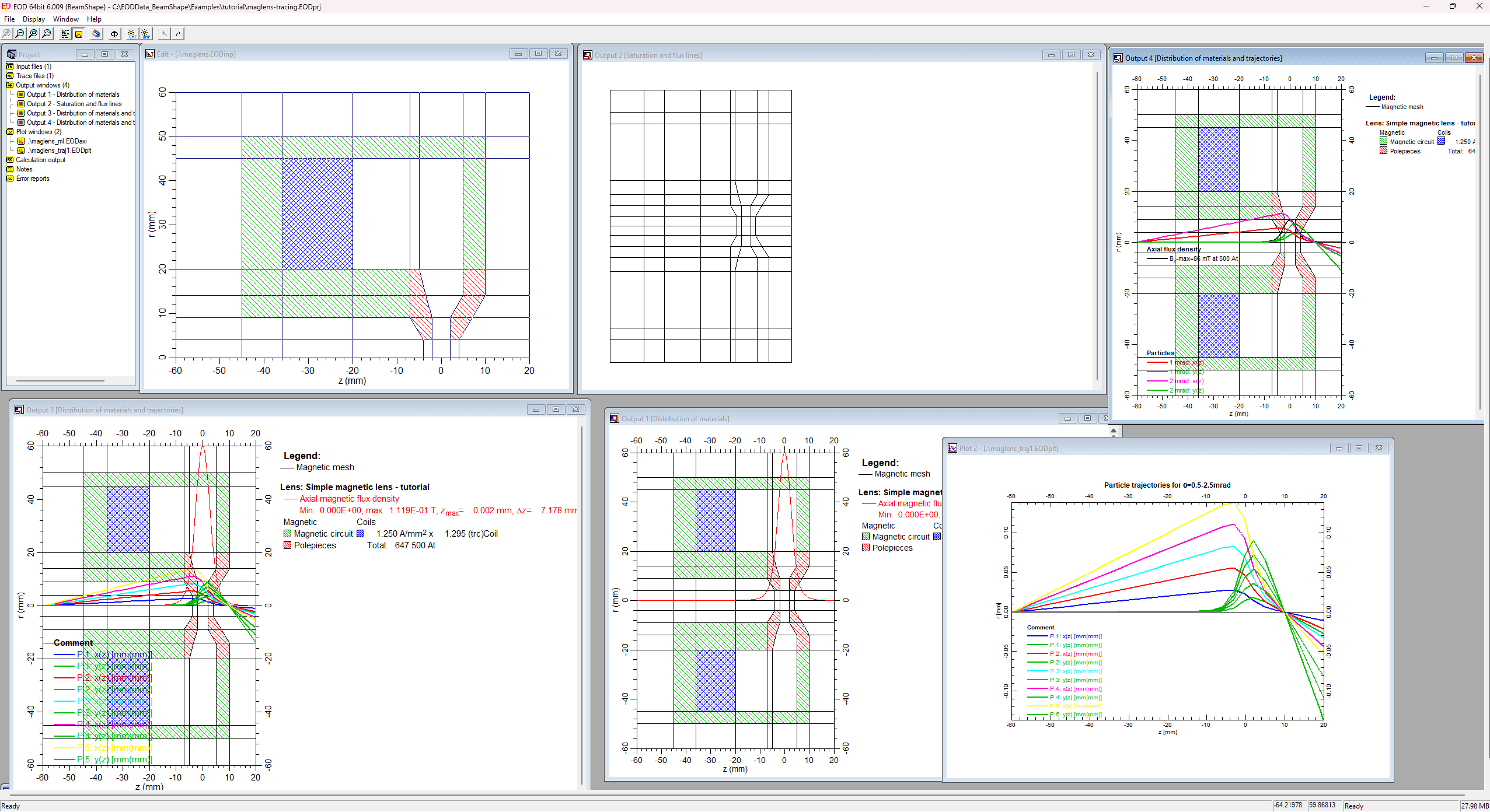

Probe Inspection: Use advanced ray tracing to analyze spot sizes, contour spots, and beam distortion across the image plane.
Diffraction Physics: Perform complete Monochromatic and Polychromatic diffraction analysis. Evaluate the Point Spread Function (PSF) and Edge response.
Total Resolution: Easily export coefficients to calculate total theoretical system resolution using standard Reimer / Barth-Kruit probe diameter calculation.
Because EOD is a comprehensive professional tool, BeamShape offers a specialized Onboarding Training Program led directly by our Senior Optical Engineers. We don't just hand you a manual and leave you to figure it out; we teach you the actual physics-based workflow.
We understand that every project is unique. That is why our onboarding is fully tailored to your specific application—whether you are designing a low-voltage SEM column, a high-current X-ray source, or a multi-stage lithography system. Instead of generic tutorials, we focus on the exact physics and modules you need to succeed.
Our ultimate goal is to ensure your engineering team is immediately productive from day one.